Cleveland Commercial Roofing Solutions from a Contractor Businesses Trust
A commercial roof is more than just a protective cover. It protects your employees, inventory, equipment, and your overall business operations from the elements. A damaged roof can lead to costly interruptions, structural issues, and even safety hazards.
For businesses in Cleveland, commercial roofing solutions must be designed to withstand a wide range of weather conditions. From heavy snow and ice in the winter to hail, strong winds, and torrential rains in the summer, local roofs face constant challenges. Selecting a trusted commercial roofing contractor in Cleveland ensures your building remains safe and your roofing investment is protected for years to come.
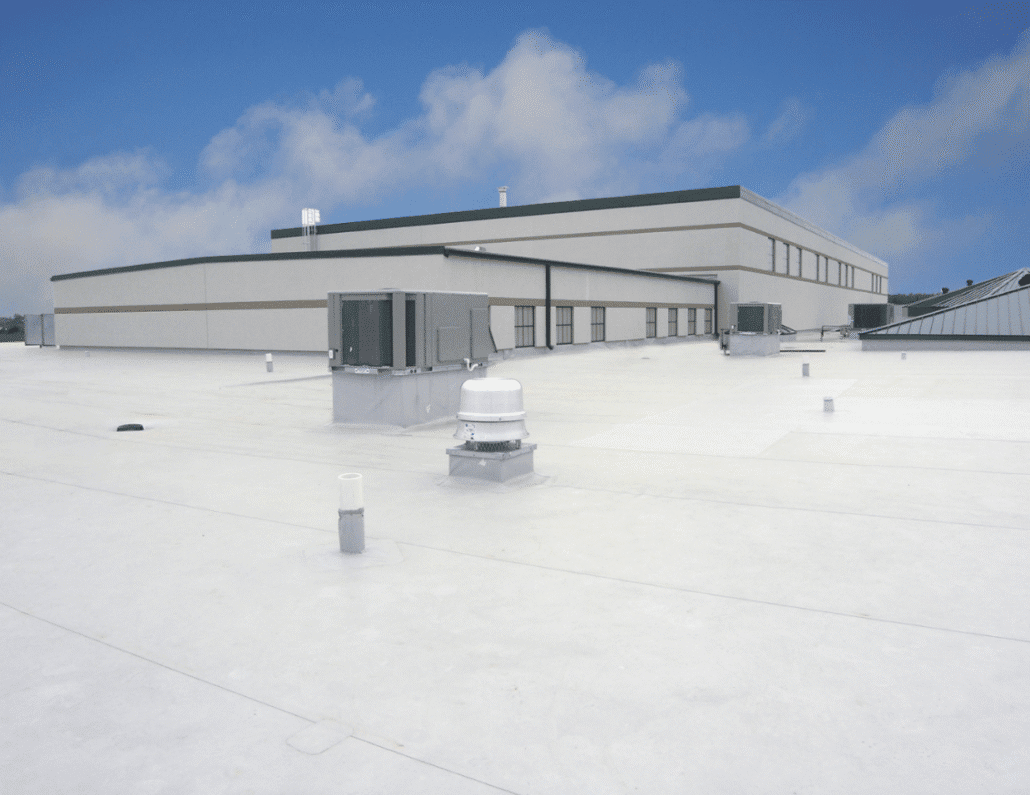
Commercial roofs differ significantly from residential systems. They often cover larger areas, have flat or low-slope designs, and support heavy equipment such as HVAC units. Businesses need a contractor who understands these complexities and can provide solutions tailored to each building type.
Our team at Tusing Builders specializes in creating durable, efficient, and long-lasting commercial roofing systems. We prioritize quality materials, precise installation, and comprehensive maintenance strategies to extend the life of your roof while reducing operational risks.
Common Challenges in Commercial Roofing
Commercial roofs face unique challenges that require careful planning and skilled execution. Recognizing these issues allows business owners to take proactive steps and avoid costly problems.
- Flat and Low-Slope Roofs: Flat roofs are common in Cleveland’s commercial buildings but are prone to water pooling, leaks, and structural stress. Proper drainage systems, high-quality membranes, and attention to detail during installation are essential for durability.
- Heavy Foot Traffic and Equipment Loads: Roofs that support HVAC units, rooftop signage, or maintenance personnel must withstand extra weight. Without careful design and reinforcement, these loads can lead to sagging, leaks, or premature deterioration.
- Weather-Related Damage: Cleveland’s seasonal extremes—snow, ice, wind, hail, and heavy rain—pose significant challenges. A well-installed roof using quality materials is the best defense against these conditions.
Understanding these common issues is critical for businesses seeking a reliable commercial roofing contractor in Cleveland. Our team has experience addressing these challenges across multiple industries, ensuring roofs are safe, efficient, and built to last.
Services Offered by Our Team
A full-service commercial roofing contractor provides solutions that cover every aspect of a roofing project. Our team delivers a range of services designed to meet the needs of businesses of all sizes.

- • Roof Installation: We install a variety of commercial roofing systems, with each installation executed with precision to ensure long-term performance, energy efficiency, and code compliance.
- • Roof Repair and Maintenance: Regular inspections and timely repairs prevent minor issues from becoming major problems. Our team offers leak repairs, membrane patching, flashing replacement, and maintenance programs tailored to each building.
- • Roof Replacement: When a roof reaches the end of its lifespan or sustains significant storm damage, we provide complete replacement services. We work efficiently to minimize disruption to daily business operations while delivering reliable, high-quality results.
By offering comprehensive services, Tusing Builders ensures that commercial roofs are fully protected and that businesses have access to ongoing support for long-term performance.
Choosing the Right Commercial Roofing Contractor in Cleveland
Selecting a commercial roofing contractor is a critical decision for any business. The right team provides expertise, reliability, and peace of mind, while the wrong choice can lead to costly repairs, code violations, or repeated failures.
When evaluating contractors, consider these factors:

- • Experience with Commercial Systems: Different commercial roofing systems require specialized techniques and materials. Contractors with proven experience prevent common pitfalls and guarantee proper installation.
- • Local Knowledge: A contractor familiar with Cleveland’s climate, building codes, and industry standards can recommend solutions specifically designed to withstand seasonal challenges.
- • Reputation and Reliability: Established contractors provide references, case studies, and documented projects. A trusted team also maintains clear communication and meets deadlines consistently.
Our team has a track record of successfully completing projects for a variety of commercial properties, from retail and office buildings to warehouses and industrial facilities. Each project is approached with the goal of delivering maximum protection, energy efficiency, and long-term durability.
Planning a Commercial Roofing Project
A well-planned project is key to successful commercial roofing. Proper planning reduces delays, unexpected costs, and downtime for your business. Every project begins with a thorough inspection. Our team evaluates the roof for membrane condition and leaks, shingle or panel wear, flashing integrity, structural support for heavy loads, and overall drainage efficiency. These inspections help identify hidden issues that could compromise the roof’s performance, allowing us to develop a detailed plan for repairs, maintenance, or replacement that meets the specific needs of your building.

Material Selection
Choosing the right roofing materials is crucial. Factors such as building type, climate, load requirements, and budget all influence the decision. Our team works closely with business owners to select materials that offer:
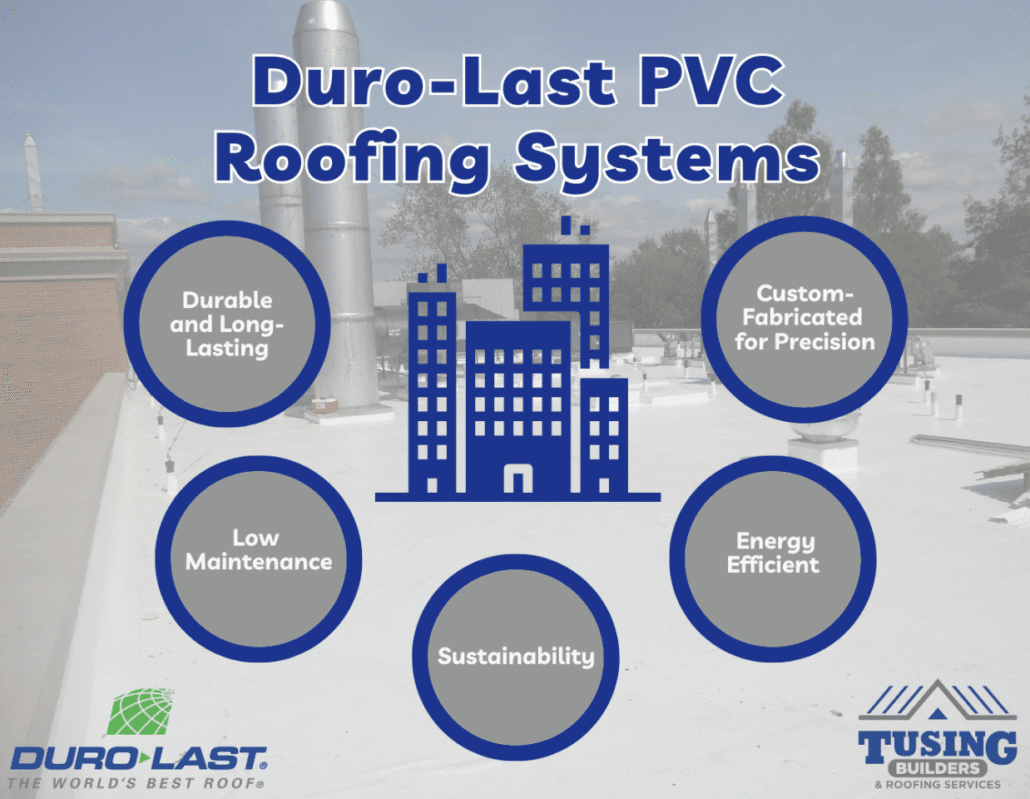
- Longevity and durability
- Weather resistance for Cleveland’s seasonal conditions
- Energy efficiency to reduce utility costs
- Minimal maintenance requirements
Material selection is a critical step in preventing future issues and ensuring the roof meets both functional and aesthetic goals.
Scheduling and Execution
Minimizing disruption to business operations is a priority. Our team develops a schedule that balances efficiency with safety and quality. Whether installing a new roof or performing repairs, we coordinate carefully to keep the project on track, ensuring that deadlines are met and business activities continue with minimal interruption.
Key Considerations for Commercial Roofing Projects
Successful commercial roofing involves a combination of planning, high-quality materials, and expert execution.
- Roofing System Design: Proper design includes consideration of slope, drainage, insulation, and equipment placement. An effective design ensures the roof functions optimally and lasts for decades.
- Installation Expertise: Proper installation prevents leaks, improves thermal performance, and reduces the risk of premature failure. Our team uses proven techniques to maximize the life and performance of each roof.
- Maintenance Planning: Regular inspections, preventative repairs, and maintenance programs extend the lifespan of commercial roofs and protect your investment.
Focusing on these considerations ensures that each project provides long-term value, reduces repair costs, and enhances the safety and efficiency of the building.
Benefits of Working with Our Team
Partnering with a reliable commercial roofing contractor in Cleveland offers numerous advantages for businesses. Our team brings extensive experience and a deep understanding of complex commercial roofing systems, ensuring that every project is handled with expertise and precision. We provide customized solutions tailored to each building’s size, purpose, and design, addressing the unique challenges and requirements of every property. Transparent communication, clear project timelines, and detailed documentation are at the core of our approach, keeping business owners informed and confident throughout the process.
In addition, our comprehensive services cover installation, repair, full replacement, and ongoing maintenance, so every aspect of a roofing project is expertly managed. By working with our team, businesses gain a trusted partner dedicated to delivering high-quality results and long-term peace of mind.

Maintenance and Long-Term Care
Regular maintenance is key to extending the life of any commercial roof. Our team provides scheduled inspections, minor repairs, and preventative measures to keep roofs in optimal condition.
- Cleaning drains and gutters to prevent water buildup
- Inspecting flashing, seams, and roof penetrations for signs of wear
- Checking insulation, ventilation, and membrane integrity
- Addressing minor issues before they develop into costly repairs
Proactive maintenance minimizes downtime, protects building assets, and ensures long-term performance.
Protect Your Business with Tusing Builders
For businesses seeking a trusted commercial roofing contractor in Cleveland, Tusing Builders delivers reliable solutions that protect assets, employees, and operations. Our team combines expertise, high-quality materials, and years of experience to ensure every project meets the highest standards.
Whether your project requires a new roof installation, urgent repairs, or a complete replacement, we work efficiently to minimize disruption and maximize results. Our team handles inspections, material selection, installation, and ongoing maintenance, providing businesses with a complete, end-to-end solution.
We also offer comprehensive maintenance programs that extend the life of your roof, prevent costly damage, and ensure compliance with building codes. With experience in TPO, EPDM, metal, built-up roofing systems, and more, Tusing Builders is equipped to manage projects of all sizes and complexities.
Protect your building and investment today. Contact Tusing Builders to schedule a consultation, explore our commercial roofing services, or view our portfolio of completed projects. Partner with a team Cleveland businesses trust and ensure your roof performs at its best for years to come.